Cartographie interactive
The complete route — from Lisbon to Santiago
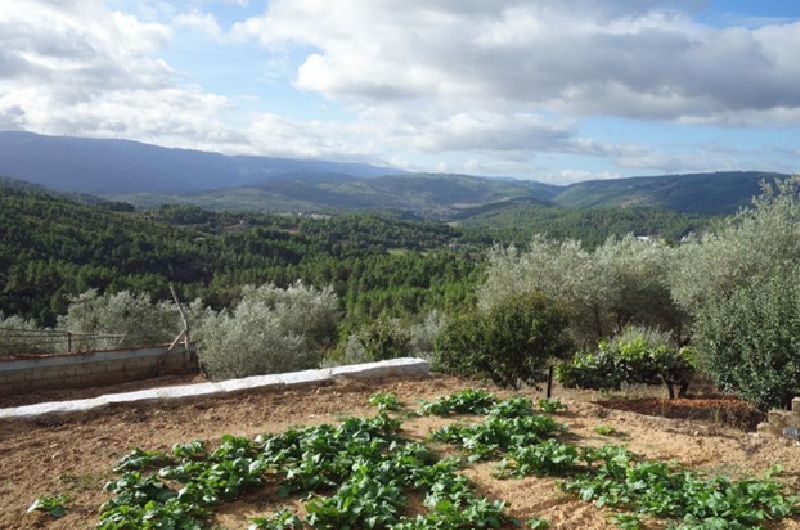
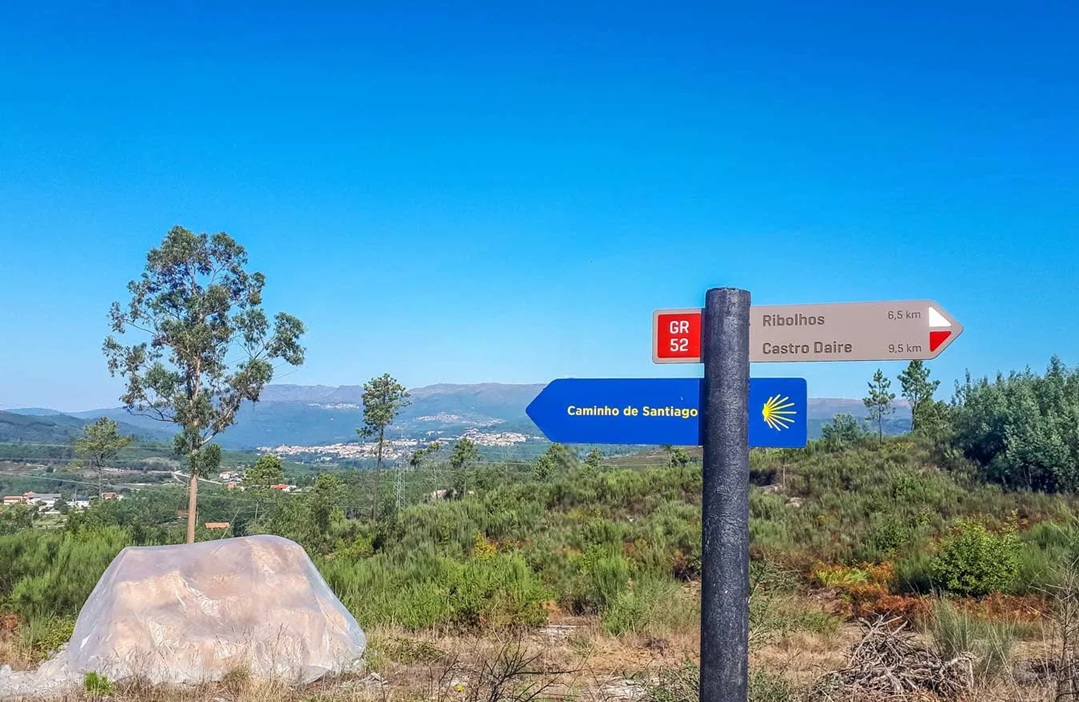
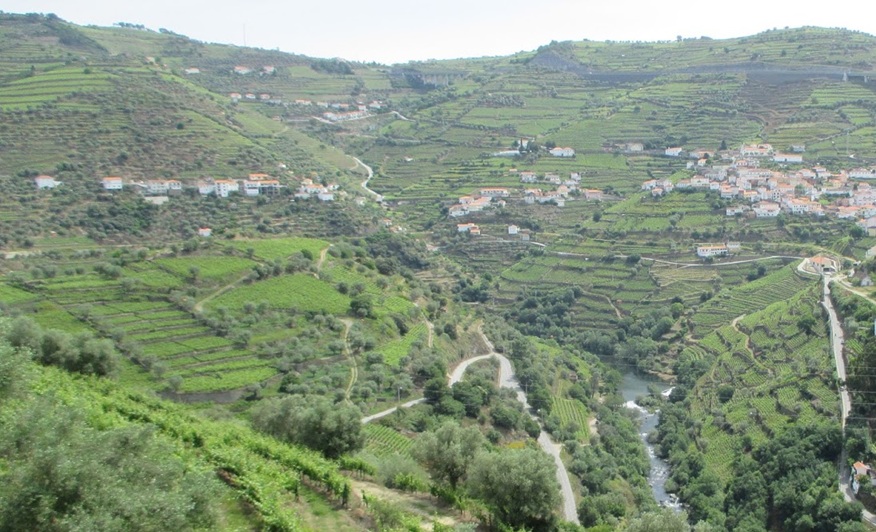
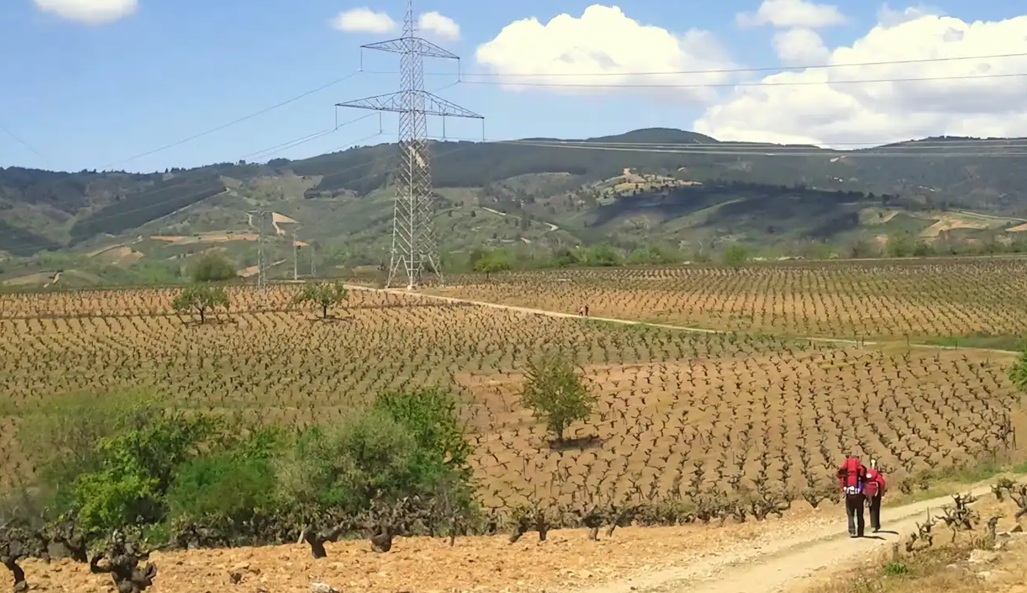
Lisboa → Vila Franca → Santarém → Fátima → Coimbra → Porto → Santiago de Compostela
The Camino Portugués Central is the second most popular pilgrimage route to Compostela. It links Lisbon to Santiago de Compostela over 632 km in 24 stages, crossing central Portugal before entering Galicia at Valença/Tui.
The classic route passes through Santarém, Fátima, Coimbra and Porto — from where many pilgrims choose to start in order to reach Santiago in 12 stages from Porto. Relatively flat and well waymarked, it is ideal for a first pilgrimage experience.
This guide covers 24 stages from Lisbon, with interactive maps, elevation profiles and practical information for each stage.
Cartographie interactive
Les stages
À savoir
Le Camino Portugués peut se marcher toute l'année, mais les meilleures conditions sont de mars à juin et de septembre à novembre. L'été (juillet-août) est très chaud au Portugal central. L'hiver est doux mais pluvieux dans le Minho et en Galice.
The Camino Portugués Central is less demanding than the Camino Francés in terms of elevation. The Portuguese stages are long and relatively flat, except for the Alcanena-Fátima section. Allow 3 to 4 weeks of walking from Lisbon.
The albergues (pilgrim hostels) are spaced every 15-25 km along the route. Booking ahead is generally not necessary except in high season. Remember your credential (pilgrim passport) to be stamped at each stage, available from the Lisbon tourist office.
To obtain the Compostela, the pilgrimage certificate issued at the Oficina del Peregrino in Santiago, you must have walked at least 100 km on foot (or 200 km by bicycle) and collected 2 stamps per day. The Camino Portugués from Porto (238 km) is the shortest official route.
Budget around 30-45 €/day for albergue accommodation and meals. Prices are lower in Portugal than in Spain. A pilgrim menu costs between 8 and 12 €. The Lisbon-Porto train costs around 25 € if you only wish to walk the Porto-Santiago section.